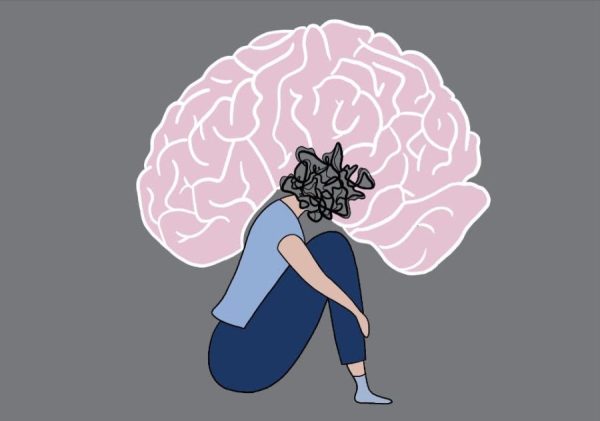


Music plays a huge role in the lives of many teenagers, especially high school students who are constantly dealing with stress, pressure, and strong emotions. Whether it is through headphones on the bus ride home, during homework, or late at night, music often becomes a personal space for teens to escape or reflect. While music can be extremely helpful for mental health, it can also have some negative effects depending on how it is used. Understanding both sides is important because music is not just entertainment for teens. It is often emotional support, comfort, and a way to make sense of feelings they do not always know how to explain.
On the positive side, music can help teens cope with stress, anxiety, and overwhelming emotions. High school can be exhausting, both mentally and emotionally, and music gives students a break from the constant pressure of school and social expectations. Listening to music can help improve mood, calm nerves, and make someone feel less alone. Many teens use music as a healthy outlet to release emotions instead of bottling them up. However, music can also have downsides. Listening to sad or emotionally heavy music too often can sometimes make negative feelings stronger. Instead of helping someone move forward, it can cause them to dwell on sadness or bad memories. This proves that music can either support mental health or make it more complicated, depending on how and why it is being listened to.
Through interviews with two high school students who connect deeply with music, it becomes clear just how powerful music can be on mental health. Choir and Band student, Rikki Cliffe, explained that music can sometimes make her feel worse emotionally, even though she loves it. She shared that when she is sad, angry or feeling vulnerable, she often listens to music that matches those emotions. While this can lead her to “wallow” in her feelings, she also sees it as an outlet. Music gives her the space to sit with her emotions and understand them better. This shows that even when music brings up painful feelings, it can still be helpful by allowing teens to process emotions instead of ignoring them.
Music also has the ability to change a teen’s mood suddenly and without warning. Both students talked about how a song can trigger emotions or memories almost instantly. Rikki described how a song can remind her of a bad memory or, on the other hand, bring back good childhood nostalgia. She explained that it feels uncontrollable, “like a light switch, it just flips.” This sudden emotional reaction can be comforting, but it can also be overwhelming. For teens who already struggle with emotional balance, music can intensify feelings they were not prepared to face. This highlights how closely connected music is to memory and emotion, especially during teenage years.
Another way music affects mental health is through how teens use it to either avoid or face their feelings. Abby Turney, choir member, shared that music sometimes causes her to avoid talking about her emotions, even though it also helps her understand them. This shows a common struggle among teens. Music can act as a shield, allowing them to feel understood without having to explain themselves to others. While this can be comforting, it can also prevent teens from opening up to people who could help them. Rikki, on the other hand, said that although she sometimes uses music to avoid her feelings, she more often uses it to face them. This difference shows that music affects everyone differently, even when they enjoy it in similar ways.
Music also plays a role in identity and self-expression for teens. Rikki explained that the music she listens to reflects who she is and who she wants to be. She described herself as “a deep feeling person, appreciates little things, and loves life even though it gets really hard.” This connection between music and identity is especially strong during high school, when many teens are still figuring out who they are. Music becomes a way to express emotions, values, and personality without needing words. This can be empowering and comforting, especially for teens who struggle to express themselves verbally.
Listening to music alone versus with others can also affect how teens feel mentally. Both students said they feel more like themselves when listening to music alone. Abby shared that she is more comfortable listening by herself because others often think her music is “too sad.” Rikki explained that being alone removes the feeling of judgement, even if others are not actually judging her. This shows how personal music is for teens. It is not just about sound, but about feeling safe enough to fully experience emotions without worrying about how others will react.
Lyrics and sound both play important roles in how music affects mental health. Rikki explained that neither lyrics nor sound matter more than the other because they need to balance each other out. Lyrics help listeners put feelings into words, while sound and vibe affect emotions on a deeper level. This balance is what makes music so powerful. Abby also shared that lyrics have helped her put feelings into words that she could not explain herself. Because she struggles to ask for help or talk about her mental health, music becomes a voice for emotions she keeps inside. This shows how music can act as emotional language for teens who feel misunderstood or unheard.
Overall, music has a strong and complex affect on teen mental health. It can comfort, heal, and help teens understand themselves, but it can also deepen sadness or encourage emotional avoidance. The experiences shared by Abby and Rikki show that music is not just background noise for most teens; it is deeply personal and emotionally powerful. For high school students, learning to be aware of how music affects their mood and mental health is important. When used thoughtfully, music can be a healthy coping tool and a source of comfort during some of the most challenging years of life.